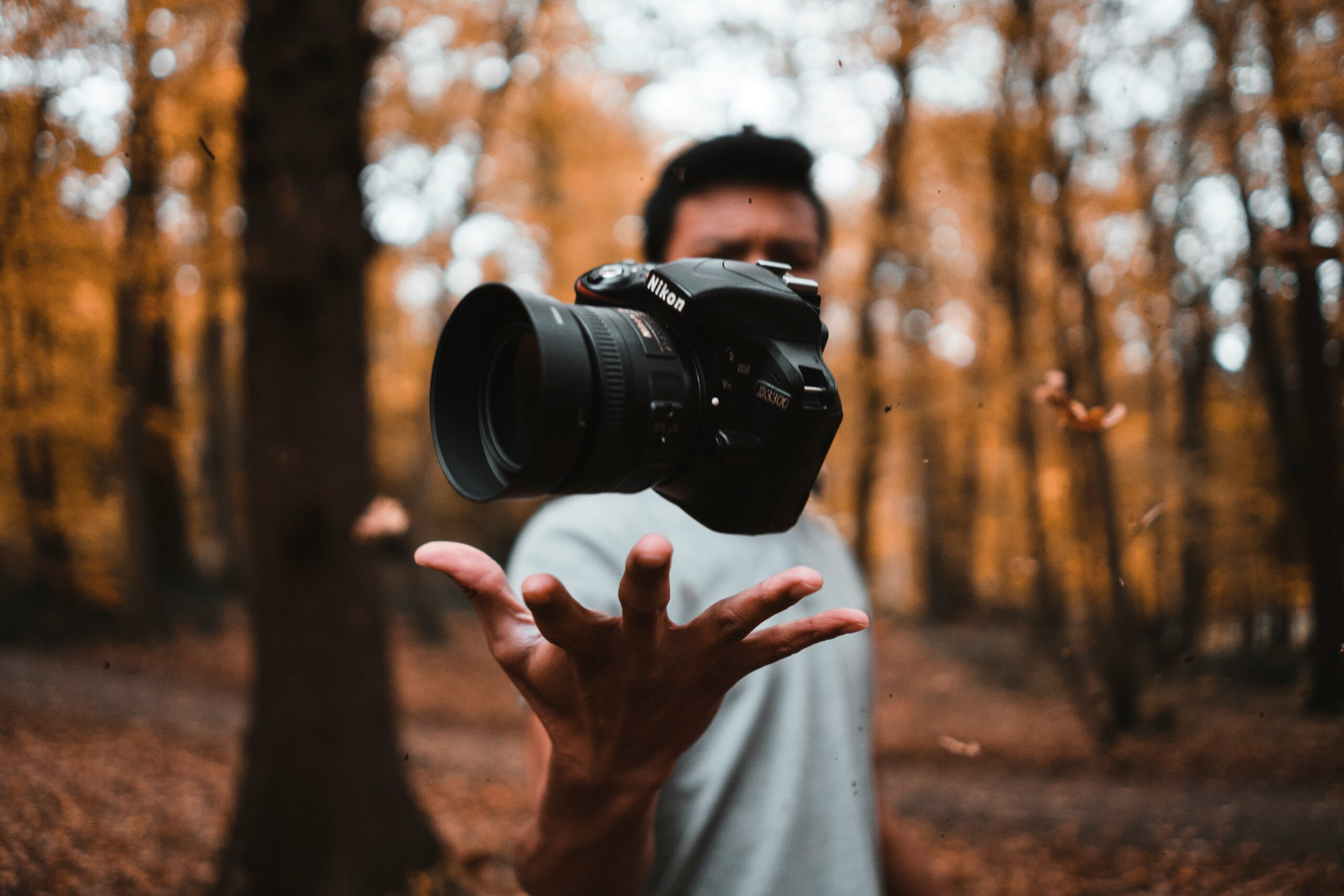
Photography is more than just taking pictures. It is the art of capturing moments that would otherwise fade away with time. From a child’s laughter to the golden glow of a sunset, photography allows us to preserve emotions, stories, and memories in a single frame. In today’s digital world, where images are shared instantly, the art of photography has become more powerful and meaningful than ever.
The Meaning Behind Every Click
At its core, photography is about storytelling. Every photograph tells a story, whether it is planned or spontaneous. A simple image can express joy, sadness, love, or hope without using a single word. This is what makes photography such a powerful form of visual communication.
When a photographer presses the shutter button, they are making a decision. They choose what to include in the frame and what to leave out. They decide the angle, the lighting, and the exact moment to capture. These choices turn an ordinary scene into a meaningful image. The art of photography lies in seeing beauty in everyday life and turning it into something unforgettable.
The Role of Light in Photography
Light is one of the most important elements in photography. In fact, the word “photography” comes from Greek words that mean “drawing with light.” Without light, there would be no image. Understanding how light works is essential for capturing stunning photographs.
Natural light, such as sunlight at sunrise or sunset, creates soft, warm tones. This time of day is often called the “golden hour” because it adds a magical touch to images. On the other hand, harsh midday light can create strong shadows and dramatic effects. Artificial light, such as studio lighting or street lamps, can also be used creatively to shape a photograph’s mood.
By learning how to control and use light, photographers can highlight details, create depth, and set the atmosphere of their images. Light transforms a simple picture into a work of art.
Composition: Framing the Perfect Shot
Composition refers to how elements are arranged within a photograph. A well-composed image guides the viewer’s eyes and creates balance. Good composition can make a photograph more engaging and visually pleasing.
One common technique in photography is the rule of thirds. This involves dividing the image into nine equal parts and placing the subject along the lines or at the intersections. This method helps create a more natural and dynamic composition. However, photography is also about creativity, and sometimes breaking the rules can lead to powerful results.
Leading lines, symmetry, and framing are other techniques that enhance visual storytelling. These tools help photographers draw attention to the subject and create a sense of movement or harmony within the image.
Emotion and Connection in Photography
The most memorable photographs are often those that evoke emotion. A powerful portrait can reveal a person’s character and feelings. A landscape image can inspire peace or adventure. Event photography can capture the excitement of celebrations and milestones.
Capturing genuine emotion requires patience and observation. Instead of forcing a pose, skilled photographers wait for natural expressions and authentic moments. This approach creates images that feel real and relatable.
Photography also creates connections between people. When someone looks at a photograph, they may see their own experiences reflected in it. This shared understanding makes photography a universal language that crosses cultural and social boundaries.
The Evolution of Digital Photography
Technology has transformed the art of photography in many ways. In the past, photographers relied on film and darkrooms to develop images. Today, digital photography allows instant review and editing. High-quality cameras are available not only to professionals but also to everyday users through smartphones.
Editing software has also become an essential part of modern photography. Adjusting brightness, contrast, and color can enhance the final image while maintaining its natural look. However, the true essence of photography still lies in capturing a strong image at the moment it is taken.
Social media platforms have given photographers a global audience. Images can now reach millions of viewers within seconds. This has opened new opportunities for creative expression and professional growth. At the same time, it has increased competition, making originality and creativity more important than ever.
Developing Your Photography Skills
Becoming skilled in photography takes practice and dedication. While having a good camera can help, it is not the most important factor. Learning to observe your surroundings and notice small details is what truly improves your work.
Experimenting with different angles, lighting conditions, and subjects can help you discover your unique style. Studying the work of experienced photographers can also inspire. Over time, you will begin to understand what types of images you enjoy creating the most.
Patience is key in photography. Sometimes the perfect shot requires waiting for the right moment. Whether you are capturing wildlife, street scenes, or family portraits, timing can make all the difference.
Photography as a Timeless Art Form
The art of photography continues to evolve, but its purpose remains the same: to capture moments and preserve memories. A photograph can freeze a second that will never happen again. Years later, that same image can bring back feelings and stories as if they happened yesterday.
Photography is not just about technical skills. It is about passion, creativity, and the desire to see the world differently. Every photographer has a unique perspective, and that perspective shapes the images they create.
In the end, capturing moments through photography is about appreciating life’s beauty. It encourages us to slow down, observe our surroundings, and value the present. Through a camera’s lens, ordinary scenes become extraordinary memories that last forever.